
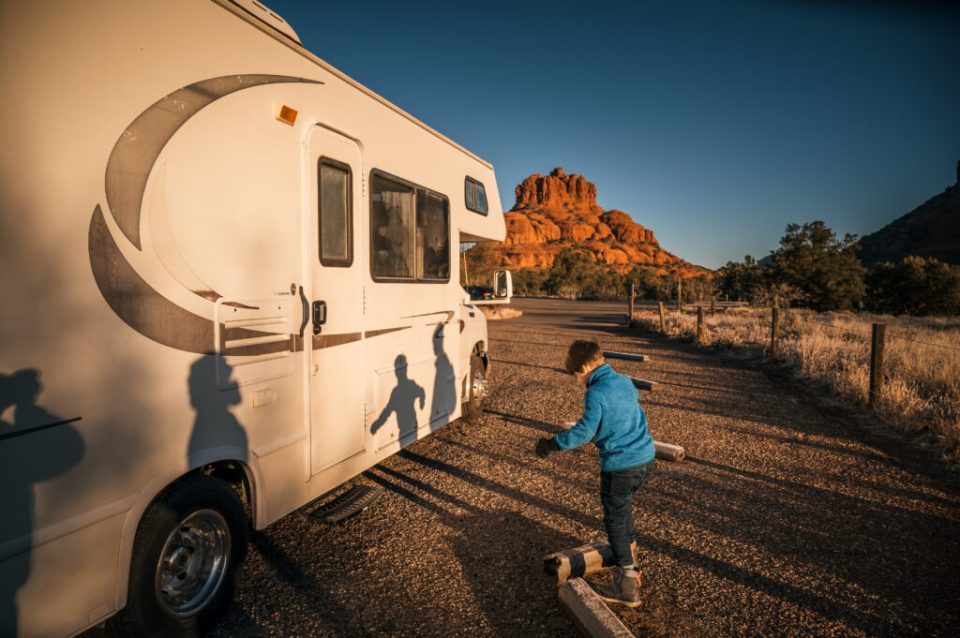
There’s an image of full-time RV living that seems beautiful and easy to enjoy. Open roads, fresh scenery every couple of weeks, an address you can leave behind. For many who jump on board the living transition, it gives them what they want. But there’s a lot more footwork along the journey that gets one to where they need to be and keeps them there longer.
The truth is that living in an RV for the long haul is more like running a small home on wheels than an extended vacation. The people who do best with this lifestyle are the ones who realized what it actually takes to manage it beyond just the beautiful parts of boasting about it.
The RV is Your Home
When an RV is meant for weekend excursions a few times a year, it’s slightly annoying that minor maintenance needs to be done here and there. When it’s your home forever, that’s a different story. All those minor annoyances become urgent. When nothing else is available to you, a leaky faucet, electrical issue or waning water pump are not just mild inconveniences. They’re priorities.
For those who live in RVs full-time, maintenance is part of the deal. This includes regular assessments as opposed to fixing things only when they break. Tires, roof seams, slide mechanisms, plumbing connections and the generator need regularly scheduled attention, far beyond what one might think if they casually used their RV every so often. Anyone not familiar with the upkeep required should check out a proper guide to rv maintenance to better understand what to look into before discovering what’s wrong down the line.
It’s a simple philosophy. Small problems fixed sooner are less costly and time-consuming than larger issues four-to-six months down the line.
Where to Park in the Long Run
This is where many new full-timers fail to acknowledge their shortcomings. Sure it’s great that you have the freedom to move anywhere at any time. However, without proper planning, even more than a weekend excursion, it’s easy to get stuck in spots that don’t pan out.
RV parks are a hit or miss situation. Some parks offer reliable amenities and sense of community, others are overcrowded, messy or simply not designed for extended living more than a day or two. Researching potential spots ahead of time by reading current reviews saves major hassle for nights spent discovering ten options and getting stuck with none of the above.
On top of this, paying monthly rates is significantly more affordable than nightly fees, so committing to spots for three weeks at a time at least makes financial sense when said place turns out to be satisfactory.
Utilities
One of the more practical realities of full-time living is that utilities become part of the consideration. Water waste and disposal, electricity and internet are non-issues in ordinary homes. There’s a level of management with each that requires more attention in an RV home.
Most full-timers rely on shore power when plugged into parks, while utilizing batteries/solar power when dry camping. Understanding one’s power draw potentials and limits prevents unfortunate surprises of dead batteries mid-use.
The same goes for internet access. People fail to recognize that hot spots are not connected everywhere they go. Most full-timers end up with their own mobile hotspots as well as boosters just in case and backup plans for areas without decent coverage. It takes some trial and error to find a workable solution.
The Financial Picture
Full-time living can be cheaper than paying for a regular house and all that includes—but it’s not inherently inexpensive either. When one travels from destination to destination, however frequent or not, gas adds up quickly. Maintenance on a vehicle/home is also much more demanding than a vehicle that’s just used occasionally to avoid mileage limits. Park permits, insurance charges and inevitable repairs need careful budgeting.
Those who handle finances best keep meticulous records from the start instead of assuming it will all work out. People do better when they know what’s going on over allowing wishful thinking to determine if their plans make sense or not. An even more prudent suggestion is maintaining a slush fund for vehicle maintenance. That’s not fatalistic thinking, it’s practical-minded.
The Social Landscape Nobody Acknowledges Enough
Full-time living can be shockingly social dependent upon how one investigates these aspects for themselves. The RV community is one that welcomes outsiders often. Spending time in nicer parks leads to meeting people who’ve set out on similar journeys. They often connect and offer insights about such endeavors thus far.
But if one’s plan is to bounce every week without putting roots down even temporarily, loneliness can be a major factor. Most full-timers discover that establishing quarters and spending longer in fewer places yields more success than always searching for greener pastures next door because they’re literally changing locations every week.
What Makes It Work
The commonality between people who successfully live full-time in their RV over extended periods is they stop trying to operate out of vacation mode and instead make it a lifestyle endeavor. That means investing in their vehicles, being consciously aware of where they decide to spend extended time working, managing financial resources closely, and ensuring community connection around them.
It’s a beautiful way to live, for the right kind of person, but it only rewards premeditated efforts far more than spontaneous ideas along the way.
