
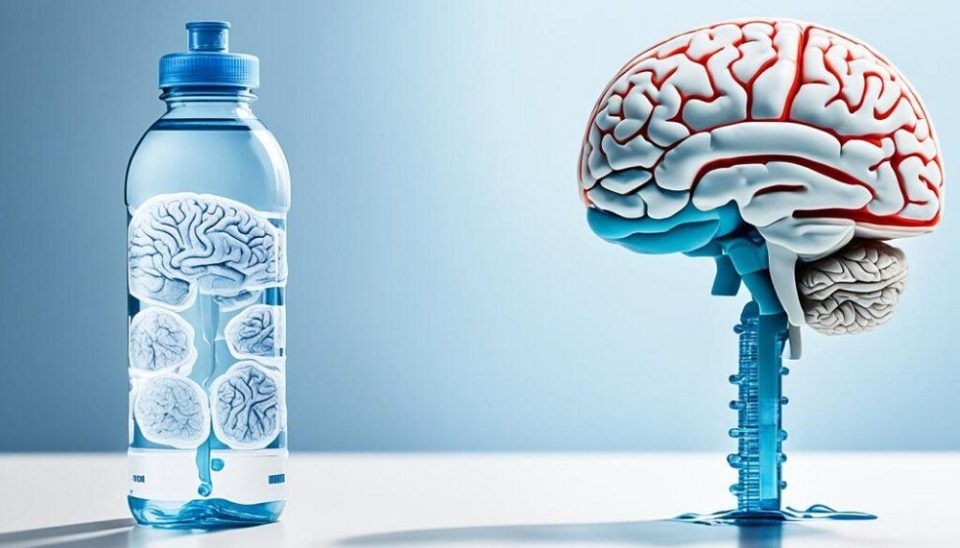
Hydration plays a central role in maintaining cognitive performance across all age groups. While nutrition, sleep quality, and physical activity often receive attention in discussions about mental performance, hydration is equally important yet frequently overlooked. Even mild dehydration can affect memory, attention span, decision making, and mood regulation.
Modern neuroscience and physiology research confirm that the human brain depends heavily on balanced fluid levels to sustain neural communication and energy metabolism. Because the brain contains a high percentage of water, changes in hydration status directly influence mental efficiency and emotional stability.
Understanding the relationship between hydration science and cognitive performance helps individuals improve productivity, learning outcomes, workplace focus, and long term brain health.
Why Hydration Matters for Brain Function
The brain is composed of roughly seventy percent water, making hydration essential for maintaining normal neurological activity. Water supports nutrient transport, waste removal, temperature regulation, and neurotransmitter function.
When hydration levels drop, the brain must work harder to maintain performance stability.
Proper hydration supports:
- Efficient oxygen delivery to brain cells
- Stable neurotransmitter production
- Balanced hormone signaling
- Improved blood circulation to neural tissue
- Optimal electrical signaling between neurons
These physiological processes form the foundation of concentration, reasoning, and memory retention.
Even small reductions in hydration levels can interfere with these systems and reduce cognitive efficiency.
How Mild Dehydration Affects Cognitive Performance
Many people associate dehydration with extreme thirst or physical exhaustion. However, research shows that mild dehydration can begin affecting mental performance before noticeable physical symptoms appear.
Common cognitive effects of mild dehydration include:
- Reduced short term memory accuracy
- Slower reaction time
- Difficulty maintaining attention
- Increased mental fatigue
- Lower processing speed
These changes can influence academic performance, workplace productivity, and decision making accuracy throughout the day.
Because mild dehydration often develops gradually, individuals may not immediately recognize its impact on their thinking ability.
Hydration and Attention Span Regulation
Sustained attention depends on stable neural signaling and balanced blood flow within the brain. Hydration supports both processes by maintaining healthy circulation and electrolyte balance.
When hydration levels decrease, attention control becomes more difficult.
People experiencing mild dehydration often report:
- Increased distraction
- Reduced task persistence
- Lower reading comprehension efficiency
- Difficulty following complex instructions
Students and professionals working in cognitively demanding environments benefit significantly from consistent hydration habits.
Maintaining adequate fluid intake throughout the day supports continuous mental engagement.
The Role of Hydration in Memory Formation and Recall
Memory formation relies on efficient communication between brain regions responsible for encoding and retrieving information. Water supports this communication by stabilizing neurotransmitter activity and maintaining structural integrity within neural pathways.
Hydration improves memory through several mechanisms:
- Supporting hippocampal function
- Enhancing synaptic transmission efficiency
- Stabilizing glucose delivery to neurons
- Improving circulation in memory related brain regions
Dehydration disrupts these processes, which can reduce both learning capacity and recall accuracy.
Maintaining hydration during study sessions improves retention of newly learned material.
Hydration and Executive Function Performance
Executive functions include planning, decision making, reasoning, impulse control, and problem solving. These higher order processes depend heavily on activity within the prefrontal cortex.
Hydration supports executive function by maintaining neural efficiency in this region.
Research indicates that dehydration may reduce:
- Decision making accuracy
- Logical reasoning speed
- Planning efficiency
- Mental flexibility
- Problem solving performance
Professionals responsible for strategic thinking tasks benefit particularly from maintaining consistent hydration levels throughout the workday.
Even small improvements in hydration habits can support clearer thinking during complex decision making situations.
Hydration Influences Mood and Emotional Stability
Cognitive performance depends not only on intellectual capacity but also on emotional balance. Hydration status directly influences mood regulation through hormonal signaling and neurotransmitter activity.
Dehydration has been associated with:
- Increased irritability
- Higher stress perception
- Reduced motivation
- Increased anxiety symptoms
- Lower overall energy levels
These emotional changes indirectly affect concentration and learning efficiency.
Maintaining hydration helps stabilize mood, which supports consistent cognitive performance during demanding tasks.
The Relationship Between Hydration and Mental Fatigue
Mental fatigue develops when neural resources become depleted during extended periods of concentration. Hydration supports metabolic activity within brain cells, helping delay fatigue onset.
When hydration levels decline, individuals may experience:
- Faster onset of cognitive exhaustion
- Reduced alertness
- Increased errors during tasks
- Lower persistence during challenging work
Workers performing long duration cognitive activities such as data analysis, writing, programming, or studying benefit significantly from regular fluid intake.
Consistent hydration supports sustained mental endurance.
Hydration and Brain Blood Flow Efficiency
Blood circulation plays a critical role in delivering oxygen and nutrients to brain tissue. Hydration supports proper blood volume and vascular efficiency.
When dehydration reduces blood volume, circulation efficiency declines slightly, which may influence cognitive performance.
Improved circulation supports:
- Faster neural communication
- Stable attention levels
- Improved memory encoding
- Greater mental clarity
Maintaining hydration supports consistent oxygen delivery to brain cells throughout the day.
Electrolyte Balance and Cognitive Stability
Hydration involves more than water intake alone. Electrolytes such as sodium, potassium, and magnesium help regulate nerve signaling and muscle function.
Electrolyte balance supports:
- Stable neural firing patterns
- Efficient communication between brain cells
- Reduced headache risk
- Improved reaction time
Imbalanced electrolyte levels may contribute to confusion, fatigue, or reduced concentration.
Balanced hydration supports both fluid intake and mineral stability within the nervous system.
Hydration Needs Across Different Age Groups
Hydration requirements vary depending on age, activity level, and environmental conditions.
Children benefit from hydration because it supports:
- Classroom attention stability
- Reading comprehension performance
- Behavioral regulation
- Learning efficiency
Adults benefit through:
- Workplace productivity improvement
- Decision making clarity
- Stress management support
- Memory maintenance
Older adults benefit because hydration supports:
- Cognitive resilience
- circulation stability
- reduced confusion risk
- improved daily functioning independence
Each age group experiences measurable cognitive benefits from maintaining consistent hydration habits.
Environmental Conditions That Increase Hydration Needs
Environmental factors influence how quickly hydration levels change.
Conditions that increase hydration requirements include:
- warm climates
- high altitude environments
- extended physical activity
- air conditioned indoor settings
- long screen exposure periods
Individuals working in these conditions should increase fluid intake to maintain cognitive performance stability.
Awareness of environmental influences helps prevent unintentional dehydration during demanding routines.
Hydration Timing and Cognitive Performance Throughout the Day
Hydration timing matters as much as total intake volume.
Cognitive performance improves when fluid intake is distributed evenly across the day rather than concentrated in large amounts at once.
Effective hydration timing strategies include:
- drinking water shortly after waking
- maintaining intake during study or work sessions
- consuming fluids before mental fatigue begins
- supporting hydration before meetings or exams
Consistent hydration habits support steady mental performance rather than short periods of improvement followed by decline.
Hydration and Sleep Related Cognitive Recovery
Hydration supports sleep quality, which influences cognitive recovery and memory consolidation.
Adequate hydration contributes to:
- improved sleep comfort
- reduced nighttime headaches
- better overnight circulation stability
- improved morning alertness
Because sleep supports memory integration and emotional processing, hydration indirectly improves next day cognitive performance through improved rest quality.
Maintaining hydration during daytime hours supports both immediate and long term mental efficiency.
Practical Hydration Strategies for Supporting Cognitive Performance
Simple daily habits can support consistent hydration and improve mental clarity.
Effective hydration strategies include:
- keeping water accessible during work or study sessions
- monitoring thirst signals regularly
- including water rich foods in meals
- adjusting intake based on activity level
- maintaining hydration during travel or meetings
These strategies help maintain stable cognitive performance without requiring major lifestyle changes.
Consistent hydration supports both immediate mental clarity and long term brain health outcomes.
Frequently Asked Questions
How much water should adults drink daily for optimal cognitive performance
Most adults benefit from consistent fluid intake throughout the day rather than relying on a fixed number. Individual needs depend on activity level, environment, and body composition.
Can dehydration affect test performance in students
Yes. Even mild dehydration can reduce attention span, memory recall accuracy, and processing speed during academic testing situations.
Does drinking water immediately improve concentration
In many cases, concentration improves when dehydration is corrected, especially if reduced hydration contributed to mental fatigue earlier.
Are caffeinated beverages effective for hydration support
Moderate caffeine intake can contribute to daily fluid intake, but water remains the most reliable source for maintaining hydration balance.
Do hydration needs increase during intense mental work
Yes. Extended concentration increases metabolic activity in the brain, which may increase hydration requirements slightly.
Can hydration influence long term brain health
Consistent hydration supports circulation stability and neural efficiency, which contribute to maintaining long term cognitive function.
Is thirst a reliable indicator of hydration status
Thirst signals often appear after mild dehydration has already begun, so regular fluid intake throughout the day provides more reliable cognitive support.
