
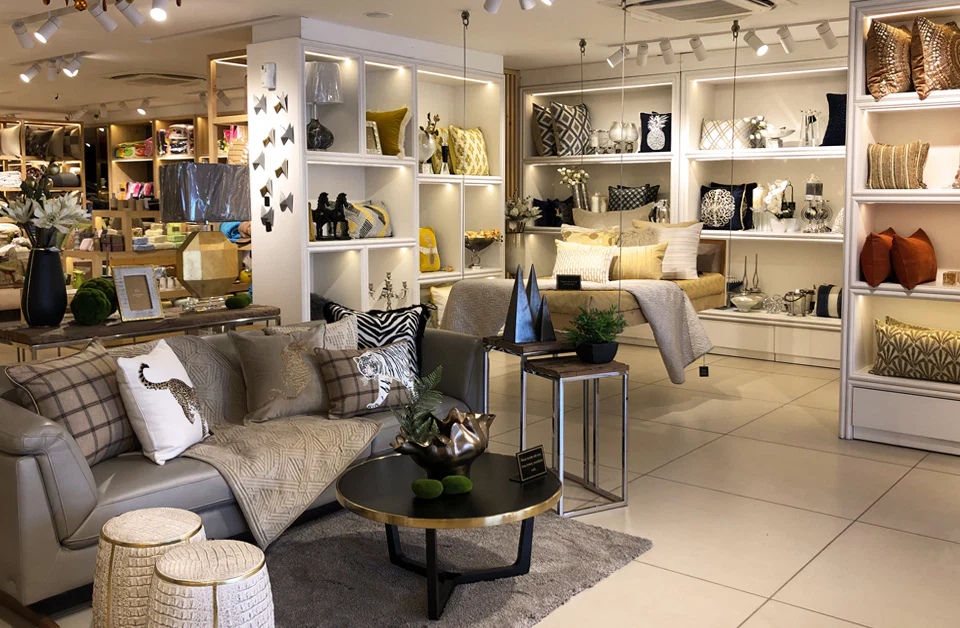
Shopping for home decor is both exciting and challenging. Many people want a space that reflects personality, comfort, and style, but balancing design preferences with financial limits can feel overwhelming. The good news is that thoughtful planning and smart purchasing decisions make it possible to create a beautiful home without overspending.
Home decor is not about buying everything at once. It is about building a cohesive environment over time. With the right strategy, you can combine aesthetics, function, and affordability while creating a space that feels intentional and welcoming.
This guide explains practical style and budget tips to help you shop confidently and decorate your home in a way that looks polished and personal.
Understanding Your Personal Decor Style Before Shopping
One of the most common mistakes people make when shopping for decor is purchasing items without a clear style direction. This often leads to mismatched pieces and unnecessary spending.
Before buying anything, identify the look you want your home to express.
Common decor styles include:
- modern
- traditional
- farmhouse
- minimalist
- Scandinavian
- industrial
- transitional
Look for inspiration in:
- home design magazines
- showroom displays
- online mood boards
- model homes
- hotel interiors
Once you recognize patterns in what you like, you can begin shopping with confidence and purpose.
Setting a Realistic Home Decor Budget
Decorating becomes easier when you decide how much you want to spend before entering stores or browsing online.
Start by dividing your budget into categories such as:
- furniture
- wall decor
- lighting
- textiles
- accessories
- storage solutions
Prioritize high impact items first. These usually include seating, rugs, and lighting fixtures because they influence the entire look of a room.
Budget planning helps prevent impulse purchases and ensures your spending supports your overall vision.
Creating a Decorating Plan Room by Room
Trying to decorate the entire home at once often leads to confusion and overspending. A room by room approach keeps the process manageable.
Begin with the space you use most often, such as:
- living room
- bedroom
- dining area
Then move to secondary spaces like:
- hallway
- guest room
- workspace
This strategy allows you to spread purchases over time while maintaining consistency throughout your home.
Investing in Key Statement Pieces First
Statement pieces create visual anchors that define the character of a room. These items deserve a larger share of your decorating budget.
Examples include:
- sofas
- dining tables
- area rugs
- bed frames
- lighting fixtures
Choose timeless designs rather than trend based options. Neutral colors and simple shapes remain versatile as your style evolves.
Once statement pieces are in place, smaller decorative elements become easier to coordinate.
Using Color Strategically to Elevate Your Space
Color influences how a room feels more than almost any other design element. It shapes mood, depth, and visual harmony.
When shopping for decor items, consider building a color palette with:
- one dominant base color
- one supporting secondary color
- one accent color
This structure helps prevent visual clutter while maintaining flexibility.
Neutral palettes such as soft gray, beige, cream, and warm white create long lasting appeal and allow accent pieces to stand out.
Mixing High and Low Cost Decor Items
You do not need every item in a room to be expensive for it to look refined. In fact, mixing premium and budget friendly pieces often produces the most interesting interiors.
Consider investing more in:
- seating furniture
- mattresses
- rugs
- lighting
Save money on:
- throw pillows
- wall art
- vases
- trays
- decorative accents
This balance keeps your budget under control while preserving a high quality appearance.
Shopping Seasonal Sales and Clearance Events
Timing purchases carefully can significantly reduce decorating costs.
Look for savings opportunities during:
- holiday sales events
- end of season clearance periods
- showroom floor model promotions
- inventory refresh cycles
Furniture retailers often discount large pieces when new collections arrive. Planning purchases around these cycles allows you to stretch your decorating budget further.
Patience often leads to better deals and better decisions.
Choosing Decor That Combines Style and Function
Decorative items should enhance both appearance and usability.
Functional decor examples include:
- storage baskets
- decorative trays
- table lamps
- mirrors
- shelving units
Functional pieces reduce clutter while improving room aesthetics.
When each item serves a purpose, your space feels more intentional and organized.
Using Textiles to Add Warmth Without Overspending
Textiles provide one of the most affordable ways to transform a room quickly.
Consider updating:
- curtains
- pillows
- blankets
- rugs
- bedding
Layering textiles introduces texture and depth while improving comfort.
Changing textiles seasonally also refreshes your space without requiring major purchases.
Decorating with Lighting for Maximum Impact
Lighting is often overlooked during home decor shopping, yet it strongly influences atmosphere and functionality.
Use a combination of:
- overhead lighting
- table lamps
- floor lamps
- accent lighting
Warm lighting creates a welcoming environment, while layered lighting improves visual balance across the room.
Statement lighting fixtures can also serve as focal points.
Incorporating Wall Decor Without Overcrowding
Walls provide valuable opportunities to express personality through decor.
Popular wall decor choices include:
- framed artwork
- mirrors
- floating shelves
- photography prints
- decorative panels
Avoid placing too many items on one wall. Balanced spacing creates a cleaner and more sophisticated look.
Large scale artwork often makes a stronger impression than multiple small pieces.
Using Mirrors to Enhance Space and Light
Mirrors are one of the most effective decorating tools available on any budget.
They help:
- reflect natural light
- create visual depth
- make rooms appear larger
- improve brightness
Placing mirrors opposite windows maximizes their impact.
Decorative mirror frames also contribute to the overall design style of the room.
Decorating with Plants for Natural Balance
Indoor plants add life, color, and freshness to home interiors.
Affordable plant options include:
- pothos
- snake plants
- peace lilies
- succulents
Plants soften hard surfaces and introduce organic texture into structured environments.
Even a few small plants can significantly improve the feel of a room.
Avoiding Common Budget Decorating Mistakes
Many decorating challenges come from rushed decisions rather than limited funds.
Common mistakes include:
- buying items without measuring spaces
- choosing trendy pieces that quickly feel outdated
- ignoring lighting needs
- overcrowding surfaces with accessories
- purchasing matching furniture sets
Taking time to plan purchases leads to stronger long term results.
Thoughtful decorating creates spaces that remain enjoyable for years.
Shopping Secondhand and Vintage Decor for Unique Character
Secondhand stores and vintage markets offer excellent opportunities to find distinctive pieces at affordable prices.
Look for:
- wooden furniture
- decorative mirrors
- ceramic accents
- artwork frames
- lamps
Vintage pieces add character and originality that cannot be replicated by mass produced decor.
Combining older items with newer elements creates a layered and sophisticated appearance.
Creating Cohesion Across Different Rooms
Consistency helps a home feel intentional and connected.
Maintain cohesion by repeating:
- color palettes
- materials
- finishes
- shapes
- textures
For example, using similar metal finishes across lighting fixtures and hardware strengthens visual unity.
Consistency does not mean every room should look identical. Instead, it creates a sense of flow throughout the home.
Decorating Slowly for Better Results
One of the most effective budget strategies is simply taking your time.
Decorating gradually allows you to:
- compare options carefully
- wait for sales
- refine your style preferences
- avoid unnecessary purchases
Homes that evolve over time often feel more authentic and personal than those decorated quickly.
Patience leads to better decisions and better design outcomes.
Frequently Asked Questions
How do I choose decor that matches existing furniture
Start by identifying dominant colors and materials already present in the room. Select accessories that complement these elements rather than introducing unrelated tones.
Is it better to buy decor sets or individual pieces
Individual pieces usually create a more natural and personalized look compared to matching decor sets.
How often should home decor be updated
Minor updates such as textiles and accessories can be refreshed seasonally, while major furniture pieces typically last several years.
What is the most affordable way to refresh a living room
Updating pillows, rearranging furniture, adding plants, and improving lighting often create noticeable improvements at low cost.
Should small rooms use large decor items
Yes. One larger decor element often creates more visual balance than several small pieces in compact spaces.
How can I decorate rental spaces without permanent changes
Use removable wall art, freestanding shelves, rugs, lighting, and temporary adhesive hooks to personalize the space safely.
What decor purchases add the most long term value
Quality rugs, lighting fixtures, mirrors, and neutral furniture pieces provide lasting style flexibility and durability.
