
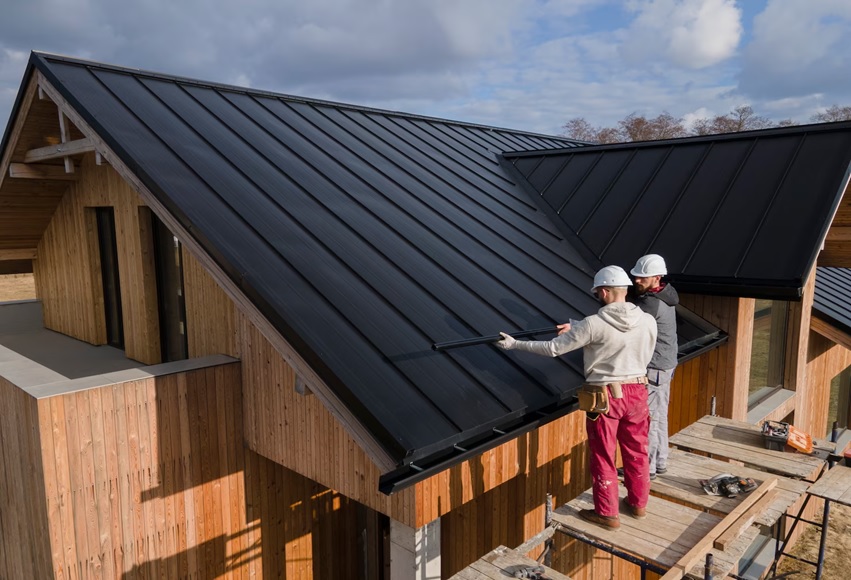
Roofing stands among the construction industry’s most hazardous occupations, combining work at height with heavy materials, power tools, and constantly changing environmental conditions. This elevated risk profile creates substantial public liability exposure that every roofing professional must understand and address through appropriate insurance coverage. From falling materials damaging property below to third-party injuries from worksite hazards, roofers face diverse claim scenarios that can devastate unprotected businesses. Understanding how public liability claims arise, how insurance responds, and what actions protect against these exposures proves essential for sustainable roofing operations.
The Unique Risk Profile of Roofing Work
Height represents the most obvious hazard in roofing operations. Working on pitched surfaces, often several storeys above ground, creates inherent instability and fall risks that manifest in worker injuries and dropped materials. Every item transported to roof level—from hand tools to roof tiles, from power equipment to material bundles—poses potential danger should it fall. A single dropped tile accelerating through gravity can shatter windows, dent vehicles, or cause serious injuries to anyone unfortunate enough to be beneath its trajectory.
Material volumes amplify these risks substantially. Roofing projects involve moving considerable quantities of materials between ground level and working heights. Bundles of tiles, rolls of membrane, sheets of metal roofing, timber components, and assorted fixings all require elevation to work areas. Each lifting operation, each material transfer, each temporary storage arrangement creates opportunities for items to shift, slip, or fall. The cumulative exposure across a project involving thousands of individual components becomes substantial.
Weather conditions complicate roofing work substantially. Wind affects material stability, rain creates slip hazards, extreme heat induces worker fatigue, and cold reduces dexterity and increases brittleness of certain materials. These environmental factors beyond roofer control nevertheless contribute to incidents that trigger liability claims. A sudden gust dislodging materials, a rain-slicked surface causing a worker to drop equipment, or heat exhaustion impairing judgement can all lead to property damage or third-party injuries.
Access requirements introduce additional complexity. Reaching roof areas typically requires scaffolding, ladders, or mobile elevated work platforms. These access systems occupy ground space where clients, family members, deliveries, and passersby might venture. Improperly secured ladders, inadequate edge protection on scaffolding, or materials stored in walkways create third-party hazard exposures distinct from the actual roofing work.
Common Public Liability Claim Scenarios
Falling object incidents represent perhaps the most frequent public liability claim type facing roofers. Tiles slipping from stacks, tools dropped accidentally, materials dislodged by wind, or debris knocked from heights all create projectile hazards. These falling objects damage vehicles parked beneath work areas, break windows and skylights, crack paving, destroy garden features, or strike people causing injuries ranging from minor bruises to catastrophic trauma depending on object size and fall distance.
The consequences of falling object damage often exceed immediate repair costs. A tile through a vehicle windscreen necessitates not just glass replacement but potentially interior damage from weather exposure, towing costs, hire vehicle expenses during repairs, and consequential losses if the owner cannot use the vehicle for work purposes. A damaged skylight might allow water ingress causing secondary damage to ceilings, floors, and contents. These cascading consequences substantially inflate ultimate claim values beyond initial incident costs.
Ground-level hazards create additional claim exposures. Materials, equipment, cables, hoses, and debris accumulate around work sites, creating trip hazards for anyone accessing the property. Clients stepping over material bundles might trip and sustain injuries. Delivery personnel navigating cluttered areas could fall. Neighbours cutting through properties might encounter unexpected obstacles. Each incident potentially triggers public liability claims when third parties attribute their injuries to inadequate site management.
Property damage from work activities extends beyond falling objects. Scaffolding installation might damage guttering, brickwork, or render. Material delivery vehicles reversing into position could strike fences, gates, or structures. Power tools generating sparks might ignite combustible materials. Water used in cleaning operations might infiltrate buildings causing damage. Chemical treatments applied to roofing materials could drift onto vehicles or neighbouring properties causing staining or corrosion. Each scenario creates potential property damage claims.
Completed work failures generate substantial long-term liability exposure. Roofing installations that subsequently leak, fail structurally, or cause consequential damage often trigger claims months or years after project completion. These delayed claims prove particularly problematic as determining causation becomes more difficult with time, yet the financial consequences can prove severe when water ingress damages building structures, contents, or causes mould problems affecting property habitability.
Understanding Public Liability Coverage Components
Roofers public liability insurance provides financial protection against third-party injury and property damage claims arising from roofing activities. The coverage responds when clients, their family members, visitors, neighbours, passersby, or other third parties sustain injuries or property damage attributed to the roofer’s work activities. This protection proves essential given the frequency and potential severity of incidents arising from elevated work involving heavy materials.
Third-party bodily injury coverage addresses medical expenses, rehabilitation costs, lost wages, and compensation for pain and suffering when individuals suffer injuries attributed to roofing activities. When a pedestrian is struck by a falling tile, when a client trips over materials, when scaffolding collapses onto a neighbour, or when any other incident causes physical harm to non-employees, this coverage component responds to resulting claims.
Property damage coverage protects against claims for damage to buildings, vehicles, landscaping, contents, or any other property belonging to third parties. The smashed windscreen, broken skylight, damaged fence, crushed garden features, or stained vehicle paintwork all fall within this coverage category. The policy addresses both immediate repair costs and consequential losses resulting from the property damage, subject to policy terms and conditions.
Legal defence costs represent a crucial coverage component often overlooked when assessing policy value. Public liability insurance covers solicitor fees, court costs, expert witness charges, investigation expenses, and all other legal costs associated with defending claims, regardless of claim merit. Given that legal expenses frequently exceed actual damage amounts in disputed claims, this defence coverage delivers substantial value even when claims ultimately prove unfounded.
Completed operations coverage extends protection beyond the project completion date, addressing claims arising from defects, failures, or problems with finished work. This proves particularly valuable for roofers given the delayed nature of many roofing-related claims. A leak might not become apparent until heavy rain months after completion. Structural concerns might emerge only after subsequent inspections. This extended coverage ensures protection persists beyond immediate project timelines.
Coverage Limitations and Exclusions Roofers Should Understand
Policy limits define maximum amounts insurers will pay for claims. Typical roofing policies carry per-occurrence limits ranging from one million to several million pounds, alongside aggregate limits capping total payouts during policy periods. Understanding these limits proves essential for assessing coverage adequacy. When projects involve valuable properties or potential for serious injuries, ensuring limits adequately address worst-case scenarios becomes critical. Catastrophic incidents could generate claims exceeding standard limits, leaving roofers personally liable for excess amounts.
Territorial limitations specify geographic areas where coverage applies. Standard policies typically cover work within specified countries or regions. Roofers occasionally working beyond these territories must ensure appropriate coverage extensions or separate policies addressing these activities. Assuming coverage applies everywhere without verification can leave dangerous protection gaps.
Exclusions identify specific situations policies won’t cover. Intentional damage receives no coverage—insurance protects against accidents, not deliberate actions. Damage to the roofer’s own property, tools, or materials requires separate coverage. Employee injuries fall under workers compensation rather than public liability. Work performed outside stated trade classifications or without appropriate licences may be excluded. Damage resulting from failure to follow safety regulations might be excluded. Understanding these exclusions prevents unwelcome surprises when claims arise.
Deductibles represent amounts roofers must pay before insurance coverage activates. Higher deductibles reduce premium costs but increase out-of-pocket expenses when claims occur. Selecting appropriate deductibles requires balancing premium affordability against financial capacity to absorb initial claim costs. Choosing deductibles beyond actual financial means defeats insurance’s purpose, as inability to fund deductible amounts can prevent claim processing.
Subcontractor work requires careful attention. Whilst roofers’ policies may provide some protection for subcontractor activities, relying solely on this coverage creates risks. Requiring subcontractors to maintain their own appropriate insurance, obtaining certificates of currency, and being named as additional insureds on subcontractor policies creates more robust protection structures.
Managing Claims Processes Effectively
Immediate incident response significantly influences claim outcomes. When accidents occur, document circumstances thoroughly through photographs, written descriptions, witness statements, and detailed incident records. Capture evidence before sites are disturbed, showing exactly how situations existed when incidents occurred. This contemporaneous documentation proves invaluable during claim investigations, particularly when disputes arise about fault or circumstances.
Client communication requires careful management. Express appropriate concern for injured parties and damaged property whilst avoiding statements admitting fault or making unauthorised commitments about compensation or repairs. Allow insurers to manage claim negotiations and settlement discussions. Statements made in the emotional immediate aftermath of incidents can complicate claim resolution and potentially jeopardise coverage if they contradict policy terms or exceed policy scope.
Insurer notification must occur promptly. Policies typically specify tight reporting timeframes, and delayed notification can jeopardise coverage. Report all incidents with potential claim implications immediately, even if third parties initially indicate they won’t pursue claims. Circumstances change, and delayed reporting when claims subsequently materialise can create coverage problems. Better to report incidents that ultimately don’t generate claims than fail to report those that do.
Cooperation with insurer investigations remains essential throughout claim processes. Provide requested documentation promptly, respond honestly to questions, attend meetings as required, make sites available for inspection, and follow guidance regarding communications. Insurers bring substantial claims management expertise; following their direction optimises outcomes whilst ensuring policy compliance.
Maintaining comprehensive project documentation provides crucial support during claim determinations. Pre-work site surveys documenting existing property conditions establish baseline reference points. Regular work-in-progress photographs show how installations proceeded. Client sign-offs on completed stages create evidence of approval. Weather records, delivery notes, safety inspection reports, and communication logs all contribute valuable context when claims arise, particularly regarding timing and causation questions.
Risk Management Strategies That Support Coverage
Prevention remains more effective than insurance coverage for managing public liability exposures. Implementing robust safety protocols reduces incident likelihood whilst demonstrating professional practices that strengthen your position if claims do arise. Comprehensive exclusion zones beneath work areas prevent public access to falling object danger zones. Secure storage of materials and equipment eliminates ground-level hazards. Regular site inspections identify and address developing risks before incidents occur.
Client communication establishes expectations and documents understandings that prevent subsequent disputes. Pre-work discussions explaining potential risks, necessary access restrictions, and expected disturbances help clients understand work implications. Written acknowledgements of these discussions create evidence that clients were appropriately informed. Clear protocols for raising concerns or reporting incidents ensure problems are addressed promptly rather than festering into formal claims.
Proper equipment use and maintenance reduces malfunction-related incidents. Following manufacturer guidelines, conducting regular equipment inspections, and promptly addressing defects or damage demonstrates professional practices. Using appropriate equipment for tasks rather than improvising with inadequate tools reduces accident risks. Personal protective equipment protects workers whilst demonstrating commitment to safety that influences liability determinations when incidents occur.
Workforce training ensures all team members understand safety requirements, risk awareness, and appropriate responses to hazards. Regular toolbox talks reinforcing key safety messages maintain vigilance. Ensuring workers understand their responsibilities for site management, public safety, and appropriate incident responses reduces exposure whilst creating evidence of professional practices.
Weather monitoring allows appropriate work adjustments when conditions deteriorate. Ceasing elevated work during high winds, securing materials before predicted storms, adjusting schedules to avoid extreme temperature periods, and maintaining weather documentation demonstrates prudent risk management. Claims arising despite these precautions receive more favourable consideration than those occurring when unreasonable risks were accepted.
The Financial Reality of Operating Without Adequate Coverage
Uninsured public liability claims can devastate roofing businesses rapidly. A single serious injury claim might generate medical expenses, compensation payments, and legal costs exceeding hundreds of thousands of pounds. Property damage claims, whilst typically less severe than serious injury claims, still frequently reach tens of thousands when consequential losses are factored. Few roofing businesses maintain cash reserves capable of absorbing such costs without severe financial strain.
Legal defence expenses accumulate regardless of claim merit. Even completely unfounded allegations require proper legal response, investigation, and potentially court defence. Solicitor fees, expert witness costs, court expenses, and investigation charges can exceed £50,000 even for relatively straightforward claims. Without insurance covering these costs, defending even invalid claims becomes financially devastating.
Business interruption extends financial impacts beyond direct claim costs. Time managing claims, attending legal proceedings, addressing damage, and handling associated administration diverts attention from revenue-generating work. During periods when key personnel focus on claim management, the business cannot maintain normal productivity, creating cash flow problems that compound direct claim costs.
Reputation damage affects future business viability. Word of unresolved claims spreads through client networks, online reviews, and industry connections. Potential clients researching roofing contractors encounter negative experiences and select insured competitors demonstrating professional risk management. The long-term business impact of reputation damage can exceed immediate claim costs as work opportunities diminish.
Personal asset exposure represents an often-overlooked risk. Business structures offering liability protection may not provide complete insulation when negligence is alleged. Personal assets including homes, savings, and investments can become vulnerable to creditors seeking payment for uninsured claims. For sole traders and partnerships, this exposure proves particularly acute, as business and personal finances are often legally intertwined.
How Trade Insurance Addresses Broader Roofing Exposures
Comprehensive trade insurance packages address the full spectrum of roofing business risks beyond basic public liability. Workers compensation coverage protects against employee injury costs, addressing the high injury rates inherent in roofing work. When workers fall, sustain lacerations, suffer heat-related illnesses, or experience any other work-related injuries, workers compensation covers medical treatment, rehabilitation, and wage replacement without forcing these costs onto business operations.
Tools and equipment coverage protects the substantial investment roofing businesses make in ladders, scaffolding, power tools, safety equipment, and specialised roofing instruments. Theft, accident damage, or equipment failure can sideline operations if replacement items aren’t readily affordable. This coverage enables prompt equipment replacement, maintaining service continuity and client satisfaction.
Contract works insurance addresses risks specific to building projects, covering works in progress against fire, storm damage, theft, vandalism, or other insured events. When partially completed roofing work sustains storm damage, when materials stored on site are stolen, or when fire destroys work in progress, this coverage responds. Without it, roofers might bear responsibility for redoing damaged work at their own expense.
Commercial vehicle coverage protects business vehicles used for material transport, equipment movement, and site travel. Roofing operations typically require substantial vehicle use, creating accident exposure. Commercial vehicle insurance addresses collision damage, third-party injury claims, and property damage arising from vehicle operation, ensuring business mobility isn’t threatened by accident-related costs.
Professional indemnity insurance protects against claims alleging inadequate advice, poor design recommendations, or professional negligence. When roofers provide recommendations about roofing solutions, drainage designs, or material selections that subsequently prove inappropriate, this coverage responds to resulting claims. The combination of these coverage types creates comprehensive protection addressing diverse roofing business exposures.
Frequently Asked Questions
Does public liability insurance cover damage I accidentally cause to the roof I’m working on?
Generally, no. Standard public liability policies exclude damage to property you’re contracted to work on, as this is considered part of your professional obligation rather than third-party damage. However, the policy typically does cover consequential damage to other property. For instance, if you damage the roof you’re repairing and this causes water ingress damaging the interior, the interior damage might be covered whilst the roof damage wouldn’t be. Some policies offer contract works coverage specifically addressing damage to works in progress, so discuss your specific needs with your insurer.
Will my insurance respond to claims made years after completing a roofing project?
Yes, provided you maintained continuous occurrence-based coverage. Public liability insurance on an occurrence basis covers incidents that happened during the policy period regardless of when claims are filed. If you installed a roof in 2023 whilst insured, and a leak attributed to your installation causes damage in 2026, your 2023 policy should respond provided you maintained continuous coverage. This makes maintaining uninterrupted insurance essential even during quiet periods.
What happens if materials blow off the roof in strong winds and damage neighbouring property?
This typically falls within public liability coverage as third-party property damage arising from your roofing activities. The insurer would investigate circumstances to determine whether appropriate precautions were taken given weather conditions. If reasonable material securing measures were implemented but exceptional winds dislodged materials anyway, coverage should respond. If materials were inadequately secured against foreseeable conditions, coverage might be questioned. Documentation of weather monitoring and securing procedures proves valuable in such claims.
Does coverage extend to claims from injured passersby who weren’t clients or property owners?
Absolutely. Public liability insurance specifically protects against third-party claims, which includes anyone not employed by your business. Pedestrians struck by falling materials, neighbours injured when accessing their properties through your work site, delivery drivers tripping over your equipment—all these third parties can make claims that your insurance addresses. This broad third-party protection proves essential because roofing work often affects people beyond immediate clients.
If I hire subcontractors to help with projects, does my insurance cover incidents they cause?
This depends on policy terms and the relationship with subcontractors. Your policy may provide some coverage for subcontractor activities, but relying solely on this creates risks. Best practice involves requiring subcontractors to maintain their own appropriate insurance, obtaining certificates of currency proving active coverage, and being named as additional insured on their policies. This multi-layered approach provides more robust protection than depending entirely on your own coverage to address subcontractor incidents.
Conclusion
Understanding public liability claims and maintaining appropriate insurance coverage represents a fundamental business necessity for roofing professionals. The elevated risks inherent in working at height with heavy materials create substantial third-party exposure that uninsured operations simply cannot sustain. From falling object damage to completed work failures, the diverse claim scenarios roofers face require comprehensive protection that only proper insurance provides.
The modest cost of adequate roofers public liability insurance pales compared to the financial devastation a single significant uninsured claim could inflict. For roofing businesses serious about long-term sustainability, maintaining comprehensive coverage alongside diligent risk management practices isn’t optional—it’s absolutely essential for protecting both business viability and personal financial security in an inherently high-risk industry where public liability claims remain an ever-present threat.
